


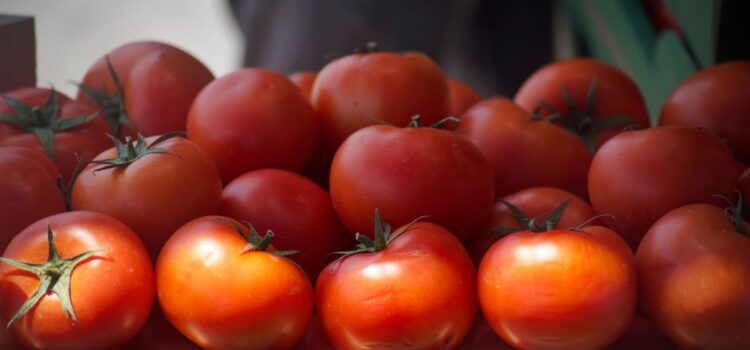
Fresh tomatoes are among the most recognisable ingredients in Greek cooking. Their bright colour, juicy texture and naturally balanced flavour bring freshness to salads, depth to sauces and richness to countless traditional dishes. From a simple village salad enjoyed in summer to slowly cooked vegetables and hearty oven-baked meals, fresh tomatoes have a central place in kitchens throughout Greece.
Although tomatoes originally came to Europe from the Americas, they gradually became deeply established in Greek food culture. Today, it is difficult to imagine many familiar Greek recipes without them. They are served raw, chopped, grated, stuffed, simmered or baked, depending on the dish and the region.
The importance of fresh tomatoes in Greek cuisine goes beyond their flavour. Their availability during the warmer months connects everyday cooking with the agricultural seasons, local markets and the Mediterranean way of eating. Ripe summer tomatoes are especially valued for their aroma, sweetness and juiciness, making them ideal for both uncomplicated dishes and traditional family recipes.
Why Fresh Tomatoes Are Essential in Greek Cooking
Fresh tomatoes are valued in Greek cooking because they combine versatility with a distinctive Mediterranean flavour. They can be the main ingredient in a dish or provide the foundation for other ingredients, including olive oil, onions, garlic, herbs, vegetables and cheese.
In raw preparations, fresh tomatoes contribute natural sweetness and refreshing acidity. A few slices can transform a plate of feta, olives and bread into a simple Greek meal. Chopped tomatoes also form an essential part of many traditional salads, where their juices mix with olive oil and seasonings to create a flavourful dressing.
When cooked, fresh tomatoes develop a deeper, sweeter taste. They soften into sauces, enrich vegetable dishes and provide moisture to ingredients such as aubergines, courgettes, peppers and green beans. Their natural acidity also helps balance the richness of olive oil and the savoury character of herbs.
Another reason fresh tomatoes are so important is their adaptability to seasonal Greek cooking. During summer, they are often enjoyed raw or lightly prepared, allowing their natural flavour to stand out. As the weather becomes cooler, they appear more frequently in slow-cooked recipes, baked dishes and comforting family meals.
From everyday lunches to festive tables, fresh tomatoes remain a familiar ingredient that connects traditional Greek recipes with modern Mediterranean cooking.
The History of Fresh Tomatoes in Greek Cuisine
Although fresh tomatoes are now closely associated with Greek food, they were not part of the country’s ancient culinary traditions. Tomatoes originated in the Americas and reached Europe after the arrival of Europeans in the New World. Their introduction to Greek agriculture and cooking took place much later, gradually transforming the ingredients used in everyday meals.
At first, tomatoes were unfamiliar to European communities and were not immediately embraced as food. Over time, however, their flavour, versatility and ability to grow in suitable Mediterranean conditions helped them become established in local agriculture. Greek cooks gradually discovered how fresh tomatoes could complement olive oil, seasonal vegetables, herbs and other familiar ingredients.
As tomato cultivation expanded, fresh tomatoes became increasingly important in Greek households. Their ability to provide both liquid and flavour made them particularly useful in traditional home cooking. Cooks could grate ripe tomatoes into a simple sauce, chop them into salads or combine them with vegetables for dishes prepared slowly in a pot or oven.
The spread of tomatoes also influenced regional cooking. In areas where summer vegetables were plentiful, fresh tomatoes became a natural companion to aubergines, courgettes, peppers and green beans. They helped create the rich vegetable combinations that are now associated with many Greek ladera dishes, in which vegetables are cooked with olive oil and tomato.
Today, fresh tomatoes are an essential part of Greece’s culinary identity. They appear in recipes passed down through generations, in local tavernas and in contemporary Mediterranean restaurants. Their journey from a foreign introduction to an everyday Greek ingredient reflects the way Greek cuisine has evolved by incorporating new foods into established cooking traditions.
Regional Greek Tomato Varieties and Local Food Traditions
Fresh tomatoes are deeply connected with regional food traditions throughout Greece. Differences in climate, soil, cultivation methods and local preferences have helped shape the tomatoes grown and enjoyed in different parts of the country. Some regions are particularly well known for their local varieties, while others have developed distinctive recipes that celebrate the flavour of ripe tomatoes.
Santorini: Small Tomatoes with Concentrated Flavour
<text> </text>
<Entity value=”Santorini” category=”place” disambig=”Greek island in the Cyclades”/> is famous for its small, flavourful cherry-like tomatoes, traditionally cultivated in the island’s dry volcanic environment. The local tomato variety, often called Santorini tomato, is known for its concentrated taste and relatively firm flesh.
One of the best-known traditional preparations is tomatokeftedes, or tomato fritters. Chopped fresh tomatoes are combined with herbs, onion and flour to create small patties that are fried until golden. Mint and other aromatic herbs contribute to their characteristic flavour. This island speciality demonstrates how fresh tomatoes can become the central ingredient of a dish rather than simply an addition.
Crete: Ripe Tomatoes and the Mediterranean Table
<text> </text>
On <Entity value=”Crete” category=”place” disambig=”Greek island in the Mediterranean”/>, fresh tomatoes are closely associated with the island’s seasonal vegetables, olive oil and traditional home cooking. Ripe tomatoes are commonly served in salads, grated into sauces or cooked with ingredients such as aubergines, courgettes and peppers.
Cretan cooking often relies on simple combinations that allow the quality of each ingredient to stand out. Fresh tomatoes, local olive oil and herbs can create a satisfying dish without complicated preparation. They are also used in preparations served with rusks, soft cheeses and olives, reflecting the island’s everyday food culture.
Pelion and Thessaly: Tomatoes in Traditional Vegetable Dishes
In <Entity value=”Pelion” category=”place” disambig=”Mountainous region in Thessaly, Greece”/> and the wider region of <Entity value=”Thessaly” category=”place” disambig=”Region of central Greece”/>, tomatoes are part of a rich tradition of seasonal vegetable cooking. Fresh tomatoes are used in oven-baked dishes, vegetable stews and combinations with beans, courgettes and peppers.
They provide moisture and a naturally rich sauce as the vegetables cook slowly with olive oil. In these preparations, tomatoes help bring the different ingredients together while preserving the rustic character of traditional Greek food.
Northern Greece: Tomatoes in Stuffed Vegetables and Slow-Cooked Meals
Across Northern Greece, fresh tomatoes are widely used in home cooking, particularly in stuffed vegetables and dishes prepared in pots or baking trays. Ripe tomatoes may be grated to create the base of a sauce or added to fillings for peppers, aubergines and other seasonal vegetables.
Recipes vary between households and local communities, but the principle remains familiar: fresh tomatoes add colour, acidity and depth to dishes built around vegetables, herbs and olive oil. Their versatility makes them useful throughout the region’s traditional cooking.
Regional Traditions, One Essential Ingredient
These examples show that fresh tomatoes are not limited to one particular Greek recipe or region. On Santorini, they are celebrated in distinctive tomato fritters; in Crete, they complement the island’s vegetable-based cooking; and in mainland regions, they enrich baked dishes, sauces and stuffed vegetables.
The varieties and recipes may differ, but fresh tomatoes remain a common thread in Greek food culture. Their ability to adapt to local ingredients and cooking traditions explains why they have become such an enduring part of the Greek table.
How Fresh Tomatoes Are Used in Traditional Greek Recipes
Fresh tomatoes are used in many traditional Greek recipes, from simple summer salads to hearty oven-baked meals. Their natural sweetness, acidity and juicy texture make them suitable for raw preparations, sauces, vegetable dishes and savoury pies. In Greek kitchens, fresh tomatoes are rarely limited to one cooking method. They are adapted to the ingredients available, the season and the character of each recipe.
Fresh Tomatoes in the Traditional Greek Salad
The Greek salad, or horiatiki, is one of the best-known ways to enjoy fresh tomatoes. Ripe tomatoes are cut into wedges or large pieces and combined with cucumber, red onion, green pepper, olives and feta cheese. Extra virgin olive oil, oregano and a little salt complete the dish.
The quality of the fresh tomatoes is particularly important because they provide much of the salad’s flavour and moisture. When the tomatoes are fully ripe, their juices combine with olive oil to create a delicious dressing at the bottom of the plate. Traditionally, this is enjoyed with crusty bread, making even a simple salad a satisfying meal.
Fresh Tomatoes in Greek Tomato Sauce
Fresh tomatoes are also the foundation of many homemade Greek sauces. Rather than relying exclusively on ready-made products, Greek cooks often grate ripe tomatoes to create a fresh base for meals. The grated flesh cooks down with olive oil, onion and garlic, producing a sauce that can be seasoned with oregano, basil, parsley or other herbs.
This fresh tomato sauce is used in several familiar preparations. It can accompany pasta, enrich rice dishes, provide flavour for meat and become the cooking base for vegetables. Depending on the recipe, the tomatoes may be cooked briefly to preserve a lighter taste or simmered for longer to produce a thicker, more concentrated sauce.
Fresh Tomatoes in Gemista
Gemista is a classic Greek dish featuring vegetables stuffed with a filling of rice, herbs and sometimes minced meat. Tomatoes and peppers are among the most popular vegetables used for this recipe. When fresh tomatoes are selected for stuffing, their flesh can be carefully removed and incorporated into the rice filling.
During baking, the tomatoes soften and release their juices, allowing the rice to absorb their flavour. Olive oil, parsley, mint and onion add further depth. The result is a comforting dish in which fresh tomatoes contribute both the main structure and much of the characteristic taste.
Fresh Tomatoes in Briam and Ladera
Greek briam and other ladera dishes demonstrate how fresh tomatoes work with seasonal vegetables. Potatoes, courgettes, aubergines, onions and peppers are arranged in a baking dish, covered with chopped or grated fresh tomatoes and generously dressed with olive oil.
As the vegetables cook slowly, the tomatoes create a rich sauce that coats the ingredients. Their acidity balances the sweetness of the cooked vegetables, while their moisture helps the dish become tender. Fresh tomatoes are therefore essential to the texture and flavour of many traditional vegetable recipes.
Fresh Tomatoes in Tomato Fritters
Tomato fritters, particularly the famous tomatokeftedes of Santorini, place fresh tomatoes at the centre of the recipe. Finely chopped tomatoes are mixed with onion, flour and fresh herbs to form a thick mixture. Small portions are then fried until crisp and golden on the outside.
The tomatoes provide moisture and a distinctive sweet-and-savoury flavour. Mint is commonly used, although recipes can vary between households. These fritters are often served as a meze or appetiser, showing how fresh tomatoes can be transformed into a dish with a completely different texture.
Fresh Tomatoes in Everyday Greek Cooking
Beyond these well-known recipes, fresh tomatoes appear in countless everyday meals. They can be chopped into omelettes, cooked with green beans, added to lentils or used to enrich dishes with chickpeas and other legumes. They also pair naturally with feta, olives, fresh herbs and grilled vegetables.
Their versatility explains why fresh tomatoes are so frequently found in Greek homes. A few ripe tomatoes can become a salad, a quick sauce or the beginning of a complete cooked meal. Whether served raw or slowly simmered, fresh tomatoes bring the familiar Mediterranean character that defines so much of traditional Greek cooking.
Greek Recipes with Fresh Tomatoes: A Practical Comparison Table
Fresh tomatoes appear in Greek recipes in many different forms. They can be served raw, grated into sauces, mixed into fillings or slowly cooked with vegetables. The following comparison highlights some traditional dishes and shows how fresh tomatoes contribute to their flavour and preparation.
| Greek Recipe | How Fresh Tomatoes Are Used | Main Ingredients | Cooking Method |
|---|---|---|---|
| Horiatiki (Greek Salad) | Cut into large pieces and served raw | Cucumber, feta, olives, onion, oregano, olive oil | No cooking |
| Gemista | Hollowed out and used as a container, with the flesh added to the filling | Rice, herbs, onion, peppers, olive oil | Oven-baked |
| Briam | Chopped or grated to create a sauce around the vegetables | Potatoes, courgettes, aubergines, peppers, olive oil | Oven-baked |
| Tomatokeftedes | Finely chopped and mixed into the fritter batter | Onion, flour, mint and other herbs | Pan-fried |
| Greek Tomato Sauce | Grated or chopped to form the sauce base | Olive oil, onion, garlic, oregano or basil | Simmered |
| Green Beans in Tomato Sauce | Chopped or grated and cooked with the beans | Green beans, onion, parsley, olive oil | Slow-cooked |
| Lentils with Tomato | Added to the cooking liquid for flavour and acidity | Lentils, onion, garlic, bay leaf, olive oil | Simmered |
| Chickpeas with Tomato | Combined with chickpeas to create a rich sauce | Chickpeas, onion, herbs, olive oil | Pot-cooked or oven-baked |
Understanding the Different Uses of Fresh Tomatoes
The table shows that fresh tomatoes play different roles depending on the recipe. In a Greek salad, they remain raw and provide freshness, juiciness and natural sweetness. In gemista, they become both a main ingredient and part of the cooking vessel, while their juices help flavour the rice filling.
For briam and other vegetable dishes, fresh tomatoes create a moist sauce that allows the vegetables to cook together. In tomato fritters, finely chopped tomatoes provide the mixture’s distinctive texture and flavour. When grated and simmered, they become a versatile sauce base for pasta, legumes and other traditional meals.
Choosing the right preparation method is therefore just as important as choosing ripe fresh tomatoes. Firm tomatoes are useful for salads and stuffing, while very ripe, juicy tomatoes are particularly suitable for grating, sauces and slow-cooked recipes. This simple distinction helps bring out the best qualities of fresh tomatoes in Greek cooking.
Greek Recipes with Fresh Tomatoes: Preparation Time and Servings
Fresh tomatoes are used in Greek recipes ranging from quick salads to dishes that require slow cooking. Comparing preparation times and serving sizes makes it easier to choose the right recipe for a weekday meal, a family lunch or a traditional Greek gathering.
| Greek Recipe | Preparation Time | Cooking Time | Servings | How Fresh Tomatoes Are Used |
|---|---|---|---|---|
| Horiatiki (Greek Salad) | 15 minutes | None | 4 | Cut into large pieces and served raw |
| Gemista | 30 minutes | 60–90 minutes | 4–6 | Hollowed out, with the flesh added to the filling |
| Briam | 20 minutes | 50–60 minutes | 4–6 | Chopped or grated into the vegetable mixture |
| Tomatokeftedes | 20 minutes | 15–20 minutes | 4 | Finely chopped and mixed into the fritter batter |
| Greek Tomato Sauce | 10 minutes | 25–35 minutes | 4 | Grated or chopped to form the sauce base |
| Green Beans in Tomato Sauce | 15 minutes | 40–50 minutes | 4 | Cooked with the beans to create a rich sauce |
| Lentils with Tomato | 10 minutes | 35–45 minutes | 4 | Added to the cooking liquid for flavour |
| Chickpeas with Tomato | 15 minutes | 60–90 minutes | 4–6 | Combined with chickpeas in a slow-cooked sauce |
Preparation times assume that ingredients are ready to use. Dried chickpeas generally require soaking beforehand, while cooking times depend on the variety and age of the legumes.
Choosing a Recipe for the Occasion
For a quick meal or a refreshing side dish, horiatiki is one of the easiest ways to enjoy fresh tomatoes. It requires no cooking and makes an excellent accompaniment to grilled fish, meat, cheese or other Mediterranean dishes.
Tomato fritters are particularly suitable as an appetiser or meze, while Greek tomato sauce is a practical preparation for pasta and vegetable dishes. Both can be served as part of a larger meal.
For a family lunch, gemista and briam offer more substantial options. Their fresh tomatoes develop a rich flavour during baking and combine beautifully with olive oil and seasonal vegetables. Lentils and chickpeas with tomato are also satisfying choices, especially when served with bread, olives or a seasonal salad.
The serving quantities in the table provide a useful starting point, but traditional Greek cooking is flexible. Dishes such as briam and gemista are often prepared in generous portions so that they can also be enjoyed the following day.
How to Choose the Best Fresh Tomatoes for Greek Cooking
Choosing good fresh tomatoes is one of the most important steps in preparing authentic Greek dishes. The flavour, texture and ripeness of tomatoes can influence everything from a simple village salad to a slow-cooked vegetable recipe. Although different dishes require different characteristics, fresh tomatoes should generally be aromatic, naturally coloured and free from signs of deterioration.
Look for Ripe, Aromatic Fresh Tomatoes
The best fresh tomatoes usually have a pleasant, recognisable tomato aroma, particularly around the stem area. Their skin should be smooth and relatively firm, without deep wrinkles, bruises or soft, damaged patches. A ripe tomato should give slightly when gently pressed but should not feel mushy.
Colour can help indicate ripeness, although it varies between tomato varieties. Red tomatoes are common in Greek markets, but some local and heritage varieties may have orange, pink or striped colouring. Instead of relying on colour alone, check the aroma, firmness and overall condition.
Choose the Right Fresh Tomatoes for Each Recipe
Not every recipe requires the same type of tomato. For a Greek salad, choose ripe but reasonably firm fresh tomatoes that hold their shape when sliced. Tomatoes with plenty of juice and a balanced sweet-and-acidic flavour are particularly enjoyable when combined with feta, olives and olive oil.
For sauces, grated tomatoes and slow-cooked dishes, very ripe fresh tomatoes are often preferable. Their softer flesh breaks down more easily during cooking and produces a naturally rich consistency. They are also suitable for vegetable stews, where the tomato juices help create the cooking liquid.
For gemista, medium or large tomatoes with a suitable shape and relatively firm walls are useful. They should be ripe enough to provide flavour but sturdy enough to hold their filling during baking.
Buy Fresh Tomatoes in Season
In Greece, summer is traditionally the main season for enjoying locally grown fresh tomatoes at their best. Warm weather and seasonal cultivation help produce tomatoes with a rich aroma and juicy flesh. During this period, local markets often offer a wider selection of varieties.
Buying fresh tomatoes in season can also make it easier to find produce from nearby growers. Local tomatoes may differ in size, appearance and sweetness, but their freshness and suitability for traditional recipes are more important than perfect uniformity.
Check the Tomatoes Before Buying
Before purchasing fresh tomatoes, examine the whole batch rather than selecting only the most attractive ones. Avoid tomatoes with mould, leaking areas, deep cracks or extensive bruising. Small natural variations in shape are not necessarily a problem, especially with locally grown varieties.
It is also useful to consider when the tomatoes will be used. If they are needed for a salad that evening, choose ripe fruit. If they will be cooked several days later, slightly firmer tomatoes may be more practical, provided they are healthy and allowed to ripen appropriately.
Selecting fresh tomatoes according to their intended use helps reduce waste and improves the result of traditional Greek recipes. A little attention at the market can make a noticeable difference once the tomatoes reach the kitchen.
How to Store Fresh Tomatoes and Keep Their Flavour
Proper storage helps fresh tomatoes retain their natural flavour, aroma and texture for longer. In Greek kitchens, where tomatoes are often used in salads, sauces and seasonal vegetable dishes, knowing how to store them correctly can make everyday cooking easier and help prevent unnecessary food waste.
Store Fresh Tomatoes at Room Temperature
Whole, uncut fresh tomatoes that are not fully ripe are generally best kept at room temperature, away from direct sunlight and sources of heat. Place them in a single layer if possible, with enough space for air to circulate. Keeping them in a cool, well-ventilated place allows them to continue ripening naturally.
Check the tomatoes regularly and use the ripest ones first. If fresh tomatoes are already ripe but will not be used immediately, refrigeration can help slow further ripening and delay spoilage.
Should Fresh Tomatoes Be Refrigerated?
Refrigeration is useful when fresh tomatoes are fully ripe and need to be kept for a little longer. However, cold temperatures can affect their texture and reduce some of the qualities associated with their fresh aroma and flavour.
For the best eating experience, take refrigerated fresh tomatoes out before serving and allow them to approach room temperature. This is particularly helpful when preparing a Greek salad, where the natural taste and aroma of the tomatoes are central to the dish.
Keep Fresh Tomatoes Dry and Unwashed Until Use
Moisture on the surface of fresh tomatoes can encourage deterioration during storage. Avoid washing them before putting them away. Instead, rinse them under cool running water immediately before preparation and dry them gently with a clean towel.
Remove any damaged or deteriorating tomatoes from the rest of the batch. This helps prevent spoilage from spreading and makes it easier to use the remaining fresh tomatoes while they are still in good condition.
How to Store Cut Fresh Tomatoes
Once fresh tomatoes have been sliced, chopped or otherwise cut, they should be refrigerated promptly in a clean, covered container. Keep them separate from raw meat, seafood and other foods that could cause cross-contamination.
For the best texture and flavour, use cut fresh tomatoes as soon as practical, ideally within a short period. Chopped tomatoes intended for a cooked sauce can also be refrigerated briefly before cooking, provided they have been handled safely and kept cold.
Can You Freeze Fresh Tomatoes?
Freezing is a practical option when you have more fresh tomatoes than you can use. Wash and dry the tomatoes, remove any damaged areas and freeze them whole or chopped in suitable freezer containers or bags. Label each portion with the date so that it can be used in a timely manner.
Frozen fresh tomatoes become softer after thawing, so they are generally better suited to cooked recipes than salads. They work well in tomato sauces, vegetable stews and other dishes where the tomatoes will be simmered or baked.
A Simple Storage Routine for Greek Kitchens
A practical way to manage fresh tomatoes is to separate them according to ripeness and intended use. Keep firm tomatoes at room temperature while they ripen, use ripe tomatoes first, and refrigerate those that need a little extra time before cooking or serving.
For salads, choose tomatoes that are fresh and firm enough to slice neatly. For sauces and slow-cooked dishes, use very ripe tomatoes before they begin to deteriorate. With these simple habits, fresh tomatoes can remain a reliable ingredient for everyday Greek meals while retaining as much of their natural quality as possible.
Nutritional Benefits of Fresh Tomatoes in the Mediterranean Diet
Fresh tomatoes are an important part of the Mediterranean diet, offering a combination of flavour, water content, vitamins and naturally occurring plant compounds. They are enjoyed in Greece throughout the warmer months and appear in everything from simple salads to cooked vegetable dishes. Their nutritional value, versatility and refreshing taste make fresh tomatoes a useful ingredient in balanced everyday meals.
Fresh Tomatoes Are Naturally Rich in Water
One of the main characteristics of fresh tomatoes is their high water content. This makes them particularly refreshing, especially during the hot Greek summer. Adding fresh tomatoes to salads, sandwiches and vegetable dishes contributes moisture without making meals unnecessarily heavy.
Their naturally light character also makes them easy to combine with other Mediterranean ingredients, including cucumber, leafy greens, olives and fresh herbs.
Vitamins and Minerals in Fresh Tomatoes
Fresh tomatoes provide several essential nutrients, including vitamin C, potassium and folate. Vitamin C contributes to normal immune function and helps protect cells from oxidative stress. Potassium supports normal muscle and nervous system function, while folate contributes to normal cell division.
The exact nutritional content of fresh tomatoes varies according to variety, growing conditions, ripeness and storage. Nevertheless, including a variety of fresh vegetables in everyday meals is a practical way to benefit from a broad range of nutrients.
Lycopene and the Natural Colour of Tomatoes
The familiar red colour of many fresh tomatoes comes largely from lycopene, a naturally occurring carotenoid with antioxidant properties. The amount of lycopene can vary between tomato varieties and levels of ripeness.
Fresh tomatoes provide lycopene as part of their natural nutritional composition. Cooking tomatoes with olive oil can also increase the availability of lycopene for absorption, making traditional Greek tomato sauces and cooked vegetable dishes interesting additions to a varied diet.
Fresh Tomatoes and Olive Oil: A Classic Mediterranean Combination
Fresh tomatoes and extra virgin olive oil are frequently served together in Greek cuisine. Olive oil adds richness and flavour, while the tomatoes contribute acidity, freshness and moisture. This combination appears in Greek salads, vegetable dishes, sauces and many simple home-cooked meals.
The fat in olive oil can also help the body absorb fat-soluble carotenoids such as lycopene. This is one reason why fresh tomatoes served with olive oil are not only a familiar culinary pairing but also a useful combination in Mediterranean-style eating.
Fresh Tomatoes as Part of Balanced Everyday Meals
Fresh tomatoes are easy to include in balanced meals because they complement many different food groups. They can be served with feta and wholegrain bread, added to bean and lentil dishes, or combined with grilled fish, poultry and seasonal vegetables.
In Greek cooking, fresh tomatoes are rarely treated as an isolated nutritional ingredient. Instead, they form part of meals built around vegetables, legumes, olive oil, herbs and other local foods. Their contribution is therefore both nutritional and culinary.
Enjoying fresh tomatoes in different forms, raw or cooked, adds variety to everyday meals and reflects the seasonal, vegetable-rich character of the Mediterranean diet.
Traditional Greek Tomato Preservation Methods
Preserving tomatoes has long been a practical way for Greek households to enjoy their flavour beyond the summer harvest. When gardens and local markets provide more tomatoes than a family can use immediately, traditional preparation methods help turn the seasonal surplus into ingredients for later meals.
These methods vary between regions and households, but many rely on simple techniques that make the most of ripe, seasonal produce.
Homemade Tomato Passata
Tomato passata is a smooth preparation made from cooked or processed tomatoes, often used as a base for sauces and traditional dishes. Greek home cooks may prepare it by washing ripe tomatoes, removing damaged parts and passing the flesh through a food mill or suitable strainer to separate the skins and seeds.
The resulting pulp can be cooked briefly before being preserved using a tested method. Homemade passata is useful in recipes such as tomato-based vegetable stews, sauces for pasta and dishes with legumes.
For safe long-term storage, use a tested preservation recipe and follow its exact instructions for acidity, processing time and container preparation. Do not assume that simply pouring hot tomato pulp into a jar and closing the lid makes it safe for storage at room temperature.
Sun-Dried Tomatoes
Drying is another way to preserve the concentrated flavour of ripe tomatoes. Traditionally, tomatoes are cut and dried in the sun under suitable conditions, although modern food dehydrators and ovens can provide more controlled alternatives.
As moisture is removed, the flavour becomes more concentrated. Dried tomatoes can be added to salads, savoury pies, pasta dishes and appetisers. They also pair well with olives, herbs and cheese.
For food safety, drying should follow a reliable method that controls moisture and prevents contamination. Store fully dried tomatoes in clean, suitable containers according to the preservation method used.
Tomato Paste for Richer Cooking
Tomato paste is a concentrated preparation that adds depth to sauces, stews and slow-cooked meals. It can be made by cooking tomato pulp until much of its water evaporates, producing a thicker and more intense flavour.
In Greek cooking, a small amount of tomato paste may be combined with fresh tomato or used on its own when a recipe needs a deeper tomato character. It is particularly useful in dishes with beans, meat and vegetables.
Freezing Tomatoes for Later Use
Freezing is a convenient household method for preserving surplus tomatoes without the need for traditional canning. Wash and dry the tomatoes, remove damaged sections and freeze them whole or chopped in labelled freezer-safe containers.
After thawing, their texture becomes softer, so they are best used in cooked recipes rather than fresh salads. Frozen tomatoes can be added directly to many sauces and stews, depending on the preparation.
Bringing Summer Flavours into the Rest of the Year
Traditional preservation methods allow Greek households to make practical use of seasonal produce and reduce waste. Passata, dried tomatoes, tomato paste and frozen portions each have different uses in the kitchen.
By preparing and storing tomatoes carefully, cooks can retain a taste of summer for meals throughout the year while choosing the preservation method that best suits their recipes and storage facilities.
Fresh Tomatoes at the Heart of Greek Cuisine
Fresh tomatoes are much more than a familiar ingredient in Greek cooking. They represent the connection between seasonal produce, regional food traditions and the simple Mediterranean approach to preparing delicious meals. From the famous tomato fritters of Santorini to Cretan vegetable dishes, traditional gemista and homemade tomato sauces, they bring colour, freshness and depth to recipes enjoyed throughout Greece.
Their versatility is one of their greatest strengths. Fresh tomatoes can be served raw in a village salad, grated into a rich sauce, baked with seasonal vegetables or preserved to provide flavour throughout the year. Choosing ripe tomatoes, storing them correctly and matching their texture to each recipe can make a real difference to the final dish.
They also reflect the importance of seasonal ingredients in Greek food culture. During summer, ripe local tomatoes are especially valued for their aroma and natural sweetness. Combined with extra virgin olive oil, herbs, vegetables, legumes and local cheeses, they create meals that are both satisfying and deeply connected to the Mediterranean way of eating.
Whether you are preparing a traditional Greek recipe or experimenting with contemporary Mediterranean dishes, fresh tomatoes offer endless possibilities. Their place in Greek cuisine is a reminder that memorable food does not need complicated techniques or elaborate ingredients. Often, the best results begin with good seasonal produce, thoughtful preparation and respect for traditional flavours.

